
Choosing the right door for your home is more than just a design decision—it’s an investment in comfort, security, and long-term value. With so many options available, homeowners often find themselves torn between the timeless appeal of traditional wooden doors and the modern innovation of WPC (Wood Plastic Composite) doors.
Both materials have their loyal followers, but which one truly delivers the best performance for today’s homes? In this comprehensive guide, we’ll compare WPC doors vs wooden doors across every important factor—from durability and maintenance to cost and aesthetics—helping you make an informed decision that suits your lifestyle and budget.
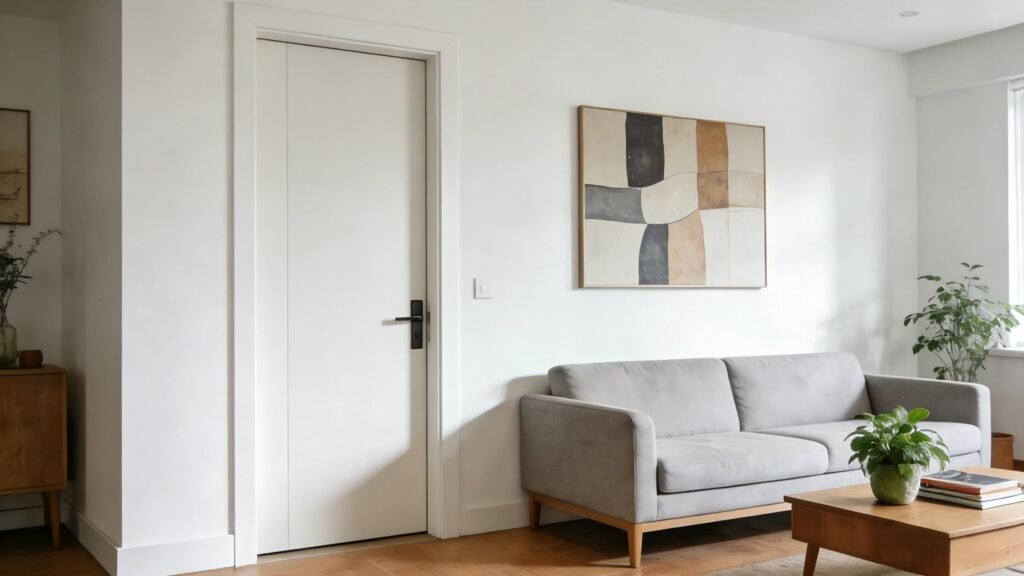
Understanding the Basics: What Are WPC and Wooden Doors?
Before diving into the comparison, let’s understand what each type of door is made of and how they differ at their core.
What Are WPC Doors?
WPC stands for Wood Plastic Composite. These doors are engineered by combining wood fibers or wood flour with thermoplastics (such as polyethylene, polypropylene, or PVC). The result is a homogeneous, dense material that captures the look and feel of wood while eliminating many of its natural weaknesses.
WPC doors are manufactured using advanced extrusion and compression molding techniques, creating a product that is:
- Uniform in density and strength
Completely waterproof and moisture-resistant
Free from knots, cracks, or natural imperfections
Available in a wide range of colors and finishes
What Are Wooden Doors?
Wooden doors are exactly what they sound like—doors crafted entirely from natural timber. They can be made from various wood species, including oak, mahogany, teak, pine, or walnut, and come in different construction types:
Solid wood doors: Crafted from single pieces or joined timber, offering maximum strength and authenticity
Solid core doors: A wooden frame filled with engineered wood or particleboard, covered with wood veneer
Hollow core doors: A lightweight frame with a honeycomb interior, covered with wood veneer or plywood
Wooden doors have been used for centuries and remain popular for their natural beauty, warmth, and traditional appeal.
Head-to-Head Comparison: WPC Doors vs Wooden Doors
Now let’s put these two contenders side by side and see how they stack up against each other across key decision-making factors.
1. Appearance and Aesthetics
WPC Doors:
Modern WPC doors have come a long way in replicating the look of real wood. Advanced lamination and embossing technologies allow manufacturers to create highly realistic wood grain textures, colors, and patterns. Some premium WPC doors are virtually indistinguishable from wood at first glance. They also offer greater design versatility, with options for solid colors, stone textures, and contemporary finishes that aren’t possible with natural wood.
Wooden Doors:
Nothing beats the authentic beauty of real wood. Each wooden door has unique grain patterns, natural color variations, and a warmth that synthetic materials struggle to replicate. For heritage homes, period properties, or traditional interiors, wooden doors provide an unmatched sense of authenticity and character. They can also be stained, varnished, or painted to achieve different looks.
2. Durability and Longevity
WPC Doors:
One of the biggest advantages of WPC doors is their exceptional durability in challenging conditions. They are:
100% waterproof: Won’t swell, warp, or rot even in constant moisture
Termite-proof: Contain no organic nutrients that attract pests
UV-resistant: Modern formulations resist fading and discoloration from sunlight
Impact-resistant: Dense construction withstands daily wear and tear
Dimensionally stable: Minimal expansion or contraction with temperature changes
With proper installation, WPC doors can last 20-25 years or more with virtually no deterioration.
Wooden Doors:
Wooden doors are naturally strong and can last for decades—even centuries—with proper care. However, they are vulnerable to:
Moisture damage: Swelling, warping, and rotting in humid conditions
Insect infestation: Termites and other pests can destroy wooden doors
Seasonal movement: Expansion and contraction with humidity changes
UV damage: Fading and surface degradation over time
Without regular maintenance, wooden doors can deteriorate rapidly, especially in challenging climates.
3. Maintenance Requirements
WPC Doors:
This is where WPC doors truly shine. They require minimal maintenance:
Clean with soap and water—no special cleaners needed
Never need painting, staining, or varnishing
No sanding or refinishing required over their lifetime
Resistant to mold, mildew, and stains
Color remains consistent without fading
Wooden Doors:
Wooden doors demand regular, ongoing maintenance:
Need repainting or refinishing every 2-5 years
Require sealing to protect against moisture
May need sanding to remove surface damage
Vulnerable to scratches and dents that require repair
Need inspection for pest damage
The long-term maintenance costs of wooden doors can significantly exceed their initial purchase price.
4. Moisture and Humidity Resistance
WPC Doors:
Excellent. WPC doors are completely waterproof and can be used in:
Bathrooms and showers
Kitchens and laundry rooms
Basements and cellars
Coastal areas with salt-laden air
Exterior applications exposed to rain
They will not swell, rot, or delaminate even after years of exposure to moisture.
Wooden Doors:
Poor to moderate. Wood is naturally hygroscopic—it absorbs and releases moisture. In humid environments, wooden doors:
Swell and become difficult to open or close
Can warp and twist out of shape
Develop cracks as they dry out
Are prone to rot and fungal decay
Require perfect sealing and ventilation
5. Pest and Insect Resistance
WPC Doors:
100% termite-proof and insect-resistant. The plastic content makes WPC doors inedible to pests, and they contain no cellulose that termites feed on. This is a critical advantage in termite-prone regions like South America, Southeast Asia, and parts of Africa and Australia.
Wooden Doors:
Vulnerable. Wood is a food source for termites, carpenter ants, and wood-boring beetles. Even treated wood can be attacked over time, and infestations can compromise structural integrity and require expensive remediation.
6. Cost Comparison
Initial Purchase Price:
WPC Doors: Generally moderate to high. As a modern engineered product, quality WPC doors cost more than basic wooden doors but are comparable to premium hardwoods.
Wooden Doors: Wide range from low to very high. Basic hollow core doors are inexpensive, while solid hardwood doors can be extremely expensive.
Long-Term Value:
WPC Doors: Higher initial cost but lower lifetime cost due to minimal maintenance, no repainting, and long lifespan.
Wooden Doors: Lower initial cost for basic options, but higher lifetime cost when factoring in regular maintenance, refinishing, and potential premature replacement.
WPC Doors vs Wooden Doors: Quick Comparison Table
| Factor | WPC Doors | Wooden Doors |
|---|---|---|
| Appearance | Realistic wood-look, consistent finish | Authentic natural beauty, unique grain |
| Waterproof | ✅ Yes, 100% waterproof | ❌ No, susceptible to moisture |
| Termite Proof | ✅ Yes, completely resistant | ❌ No, vulnerable to attack |
| Maintenance | Minimal – wipe clean only | High – regular painting/sealing needed |
| Durability | 20-25+ years with no decay | Decades with proper care |
| Strength | Good, impact-resistant | Excellent for solid wood |
| Weight | Lightweight | Heavy |
| Installation | Easy, can be DIY-friendly | Difficult, often needs professional |
| Customization | Wide range of colors/finishes | Natural wood limits options |
| Eco-Friendly | Recycled materials, recyclable | Renewable if sustainably sourced |
| Initial Cost | Moderate to high | Low to very high |
| Lifetime Cost | Low | High |
Best Applications for WPC Doors
| Application | Why WPC Works Best |
|---|---|
| Bathrooms & Wet Areas | 100% waterproof, no swelling or rot |
| Kitchens | Moisture-resistant, easy to clean |
| Basements | Resists dampness and mold |
| Coastal Homes | Withstands salt air and humidity |
| Laundry Rooms | Handles steam and moisture |
| Exterior Doors | Weather-resistant, no warping |
| Rental Properties | Low maintenance, durable |
| Hotels & Commercial | Consistent quality, fire-rated options |
| Termite-Prone Regions | Completely pest-proof |
Conclusion: Making the Right Choice for Your Home
Both WPC doors and wooden doors have their place in modern homes. The “best” choice isn’t universal—it’s personal to your home, your climate, your lifestyle, and your priorities.
If you’re looking for durability, low maintenance, and long-term value—especially in challenging environments—WPC doors are the clear winner. They offer modern performance without sacrificing appearance, and their resistance to moisture, pests, and wear makes them an excellent investment for most homeowners.
If you’re seeking authentic natural beauty and traditional character—and you’re prepared for the maintenance commitment—wooden doors remain unmatched. They bring warmth and authenticity to heritage properties and formal spaces that synthetic materials can’t replicate.
Need Help Choosing? We're Here for You
Still unsure which door type is right for your specific project? Our team of experts can help you evaluate your needs, consider your climate and budget, and select the perfect doors for your home.
Contact ROUYI WPC Doors today for personalized advice, samples, and quotations. Whether you choose our premium WPC doors or need guidance on other options, we’re committed to helping you make the best decision for your home.